
What to Do With Furniture and Belongings When Downsizing

Moving to a smaller home means making tough choices about what to keep and what to let go. Downsizing often feels overwhelming because it involves more than just packing boxes. It’s about deciding the future of your furniture and belongings, many of which hold memories and practical value. This guide offers clear steps to help you manage your possessions thoughtfully and efficiently during this transition.

Assess What You Have and What You Need
Start by taking a detailed inventory of your furniture and belongings. Walk through each room and list items you want to keep, sell, donate, or discard. This process helps you understand the volume and type of items you have, which is essential when moving to a smaller space.
Measure large furniture pieces to see if they fit in your new home.
Consider the style and condition of each item. Is it still functional or does it need replacement?
Think about your lifestyle changes. For example, a large dining table may no longer be necessary if you eat out more often or have fewer guests.
This step prevents last-minute surprises and helps you plan the next actions clearly.
Decide How to Handle Furniture
Furniture often takes up the most space, so it deserves special attention. Here are practical options:
Keep and adapt: Choose pieces that fit well and serve multiple purposes, like a sofa bed or nesting tables.
Sell: Use online marketplaces, local consignment shops, or hold a garage sale. Selling can help fund new purchases or moving costs.
Donate: Charities and thrift stores often accept gently used furniture. Some organizations even offer free pickup.
Recycle or dispose: For broken or worn-out items, check local recycling programs or bulk waste pickup services.
If you have heirloom or valuable furniture, consider professional appraisals or restoration before deciding.
Sort and Downsize Belongings Room by Room
Tackling belongings by room makes the process manageable and less stressful. Use boxes or bins labeled by category: keep, sell, donate, recycle, or trash.
Kitchen: Keep essential appliances and utensils. Donate duplicates or items you rarely use.
Bedroom: Focus on clothes you wear regularly. Seasonal items can be stored if space allows.
Living areas: Books, décor, and electronics should be evaluated for usefulness and sentimental value.
Garage and storage: These often hide forgotten items. Be honest about what you really need.
This method helps maintain momentum and keeps the downsizing process organized.
Use Creative Storage Solutions
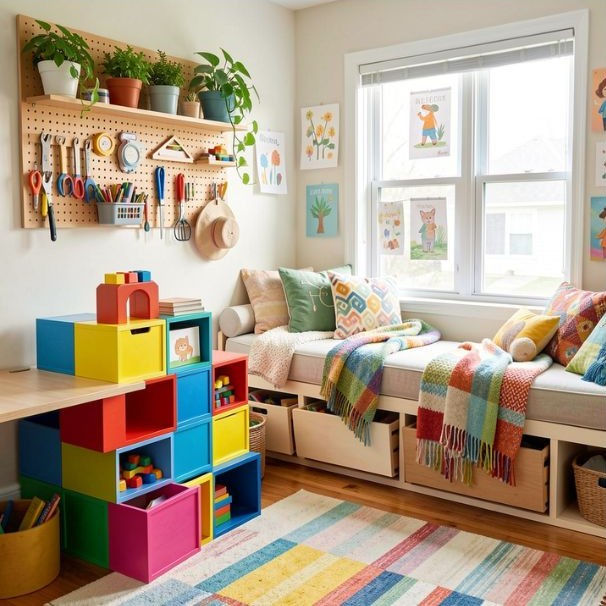
When space is limited, smart storage can make a big difference. Look for furniture with built-in storage, such as ottomans or beds with drawers. Vertical storage options like shelves and hooks free up floor space.
Use under-bed storage bins for seasonal clothing or extra linens.
Install wall-mounted racks in kitchens and bathrooms.
Consider multi-purpose furniture that adapts to different needs.
These solutions help you keep important items without cluttering your smaller home.
Plan the Move and Set Realistic Expectations
Downsizing means you will likely part with many belongings. Accepting this reality early helps reduce stress. Plan your move carefully:
Schedule professional movers experienced with downsizing if possible.
Label boxes clearly to avoid confusion.
Arrange your new space in advance to know where items will go.
Remember, downsizing is not just about losing space but gaining simplicity and freedom. Focus on keeping what truly adds value to your life.
Final Thoughts on Downsizing Your Furniture and Belongings
Downsizing requires thoughtful decisions about your furniture and belongings. By assessing what you have, sorting items room by room, and using smart storage, you can make the transition smoother. Selling or donating items can also bring satisfaction by giving your possessions a new life.
Next Steps
Schedule a free consultation with us to to explore how your home can fit your evolving needs.
Get connected to our trusted network—financial planners, senior living advisors, and accessibility specialists.
Build a customized transition plan that keeps you comfortable, independent, and secure for years to come.
If you're considering a move or need guidance on your next steps, reach out to Legacy and Lifestyle Homes today. We're here to help you navigate this transition with confidence, dignity, and peace of mind.
Have questions or just starting to explore?
Let’s talk—no pressure, just practical guidance for whatever comes next.
📞 Call or text me anytime: (707) 813-1643
📧 Or send a message here: allison@legacyandlifestylehomes.com


Comments