
What Happens to Your Home When You Move to Assisted Living?

When a senior moves to assisted living, the family home doesn't have to be sold immediately — and for many families, it shouldn't be. The five real options are: sell, rent, hold and wait, transfer to a living trust, or pass to heirs through the estate. Each one has different financial, tax, and timing implications. The right choice depends on the senior's care costs, the family's financial picture, and how long the home has been owned. A Seniors Real Estate Specialist and an estate attorney should both be part of this conversation before any decision is made.

Once the move is set, the house often becomes the next hard question. Not because families forgot about it, but because every answer affects cash flow, taxes, maintenance, heirs, and timing.
There is no single right choice. Selling may be practical. Renting may help cover monthly costs. Holding the home may buy time. A trust or estate plan may protect the transfer process, but those choices need professional guidance.
This overview is informational only. Real estate, tax, Medicaid, and estate rules vary by state and by family situation, so the right professionals matter.
When the Assisted Living Decision Is Made — And the House Is Still Sitting There
Most families focus first on care, safety, and the move itself. That makes sense. The home question often waits until bills arrive, insurance renewals come due, or someone realizes the property is sitting empty.
The first step is to separate the decision into three parts:
Money
Responsibility
Ownership
Can the home help pay for Assisted Living, or does it create extra costs?
Who will handle repairs, insurance, utilities, taxes, and mail?
Should the home be sold, rented, held, transferred, or passed later through the estate?
The options below are not ranked. They are different tools for different situations.
Option 1 — Sell the Home
Selling is often the cleanest choice when the home is no longer needed, no one plans to live there, and ongoing costs are becoming a burden.
A sale can provide funds for care, reduce family workload, and remove the risk of a vacant property. It can also simplify estate matters later because the home is no longer a physical asset that heirs must divide, maintain, or sell.
Still, selling has tradeoffs. The timing may not be ideal. Repairs may be needed before listing. There may be capital gains questions, mortgage payoff issues, or concerns about how the sale affects benefits eligibility.
Practical tip: Before listing, ask a tax professional and an elder law attorney how a sale could affect the broader financial plan. This matters especially if Medicaid planning may become part of the conversation.
Option 2 — Rent the Home
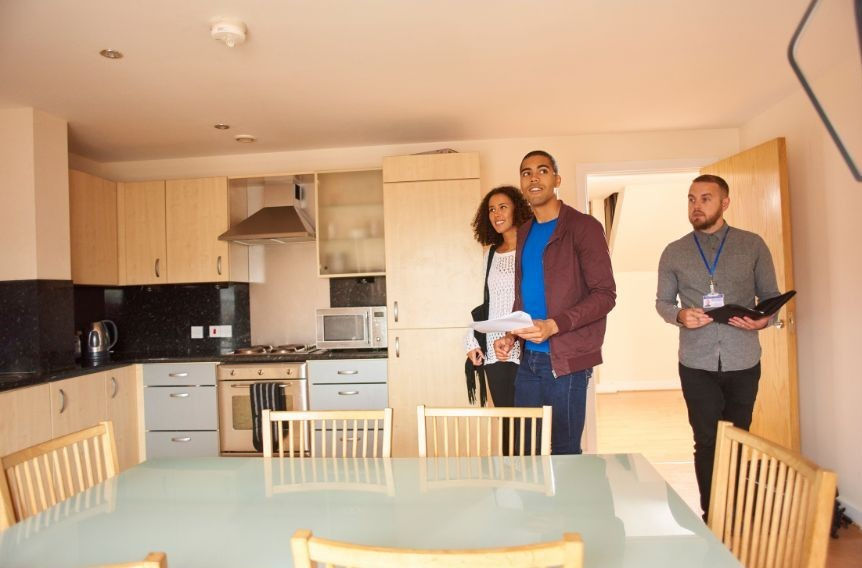
Renting can make sense when the family wants to keep the property but also needs income to help cover monthly costs.
The benefit is clear: rent may offset expenses such as property taxes, insurance, maintenance, and care costs. The home may also keep appreciating, though no one should count on that as a guarantee.
The hard part is management. A rented home needs repairs, tenant screening, lease paperwork, emergency response, and bookkeeping. If family members are already stretched, a property manager may be necessary. That reduces income but can reduce stress.
Insurance also changes. A standard homeowner policy may not cover a rental situation properly, so the insurer should be told before tenants move in.
Practical tip: Run the numbers using conservative assumptions. Include vacancy time, repairs, management fees, higher insurance, and taxes. Rent that looks helpful on paper may be less useful after real costs.
Option 3 — Hold and Wait
Sometimes the best short-term decision is to make no permanent decision yet.
Holding the home may be reasonable when the move is recent, family members need time to assess finances, or there is uncertainty about whether a spouse, partner, or relative may use the home. It may also help avoid rushed decisions during a period with many moving parts.
But waiting is still a decision. A vacant home needs care. Pipes can leak. Mail can pile up. Insurance may change if the home is unoccupied. Utilities, lawn care, snow removal, security, and property taxes continue.
There is also the risk of family disagreement. If one person is paying bills, another expects to inherit, and another wants to sell, silence can create conflict.
Practical tip: If you hold the home, create a written 90-day plan. Decide who checks the property, who pays expenses, where records are kept, and when the family will revisit the decision.
Option 4 — Transfer to a Living Trust
A living trust can help manage how the home is handled during life and after death. In many cases, it may help avoid probate, provide clear authority for a successor trustee, and make the transfer smoother for heirs.
This does not mean every home should go into a trust. A trust must be created correctly, funded correctly, and coordinated with the rest of the estate plan. Mortgage terms, title rules, taxes, insurance, and benefits planning can all matter.
A trust is also not a shortcut around every legal or financial issue. If long-term care benefits may be needed, transfers of property can have serious consequences. State rules and lookback periods may apply.
Practical tip: Do not transfer the home into a trust using a form found online without legal review. An elder law or estate planning attorney can explain whether a trust fits the actual goal.
Option 5 — Pass to Heirs Through the Estate

If no sale, rental, or trust transfer happens, the home may pass through the estate after death. That process depends on state law, the deed, beneficiary arrangements if any, and the will or lack of one.
This option may be simple in some families and difficult in others. If there is a clear will, cooperative heirs, and no debt pressure, the process may be manageable. If heirs disagree, the home has a mortgage, or the estate lacks cash, probate can become more complicated.
Passing the home through the estate may also affect timing. Heirs may not be able to sell or transfer the property until the proper legal steps are complete.
Practical tip: Confirm how the home is titled now. Sole ownership, joint ownership, transfer-on-death deeds where allowed, and trust ownership can lead to very different outcomes.
The Decision Nobody Should Make Alone
The home decision touches too many areas for guesswork. A good plan may involve several people, each with a different role:
A real estate agent to estimate market value and likely sale conditions.
A tax professional to explain possible tax effects.
An elder law attorney to review benefits, estate planning, and authority to act.
An insurance agent to update coverage if the home is vacant or rented.
A financial advisor to connect the home decision to care costs and income.
The goal is not to involve everyone at once. The goal is to avoid making a permanent move with only part of the picture.
❓Frequently Asked Questions
Should the home be sold before moving?
Not always. Selling before the move may provide funds and reduce stress, but it may also create tax, benefit, or timing issues. Review the full financial picture first.
Can a family member live in the home instead?
Yes, in many situations, but it should be documented. Rent, maintenance duties, utilities, insurance, and expectations should be clear to avoid problems later.
What happens if the home is left empty?
An empty home still needs insurance, upkeep, security, and regular checks. Tell the insurance company, because vacancy can affect coverage.
Is a living trust better than a will?
A trust and a will do different things. A trust may help avoid probate for assets placed in it, but it must be set up correctly. An estate planning attorney can explain which tool fits.
A Clear Next Step
Do not start with the question, “Should we sell?” Start with, “What does the home need to do now?”
If the home needs to fund care, selling or renting tends to rise to the top. If the family needs time to breathe and think clearly, holding with a written plan is reasonable. If the goal is a smoother transfer and clear authority down the road, trust or estate planning deserves serious attention.
The best choice is the one that fits the finances, the legal realities, and the people who will actually carry the responsibility. There's no universal right answer — only the one that's right for your family's specific situation.
And for most families, that conversation eventually comes back to the home itself. What it's worth. What the equity could do. What happens to it when the time comes to make a change. These aren't questions you have to figure out alone.
At Legacy and Lifestyle Homes, Allison Costelow works with seniors and their families at exactly this crossroads every week — helping them understand what the home means financially, what their real options are, and how to make a decision that honors everyone involved without leaving anything on the table.
If you're just starting to explore or you already have a decision in front of you — start with a conversation.
📞 (707) 813-1643 — call or text anytime
And if you want more practical guidance for wherever you are in this journey — follow along on Facebook and Instagram for weekly tips, local resources, and real talk about senior real estate in Solano County.
About the Author: Allison Costelow is a Seniors Real Estate Specialist® (SRES®), Certified Probate Expert, and Certified Senior Housing Professional serving Benicia and the greater San Francisco Bay Area. With $15M+ in local sales and a background in healthcare, Allison helps seniors and families navigate downsizing, estate transitions, and new beginnings with clarity and care. Learn more about Allison →


Comments