
Thinking About Relocating in Your Retirement Years? Here's What You Need to Know Before You Move

Relocating in retirement is rarely just about finding a smaller home — it's about safety, community, and quality of life. Research shows seniors move for two key reasons: being pushed by circumstances like health or loneliness, or pulled by factors like location, security, and community. Understanding which category applies to you can make the entire process feel less overwhelming and more empowering.

Deciding to relocate during your retirement years is more than just changing your address. It often means redefining your independence, your daily routine, and even your identity. With 30,000 to 40,000 retirement communities across the U.S. housing around 1 million seniors, you are part of a large group facing this important life choice. Understanding the emotions and practicalities involved can help you make a decision that supports your well-being and happiness.
Why This Decision Feels So Heavy
Relocation in retirement is not just about moving belongings. It often feels like a shift in who you are and how you live. Leaving a long-time home can bring up feelings of loss, uncertainty, and even fear. At the same time, it can open doors to new opportunities and connections. Remember, these feelings are real and valid. As Allison says, "The feelings are real — and so is the path forward."
The Two Forces Behind Every Senior Relocation
When seniors consider relocation, two main forces influence the decision: pushing factors and pulling factors. Understanding these can clarify why moving feels necessary or appealing.
Pushing Factors: When Life Is Nudging You
Certain challenges in your current living situation may push you toward relocation:
Declining health that makes home maintenance difficult
Feeling overwhelmed by upkeep and repairs
Loss of nearby support from family or friends
Experiencing loneliness or isolation
Recognizing these early gives you more options, not fewer. It allows you to plan ahead rather than react to a crisis. Allison notes, "Recognizing these early gives you more options, not fewer."
Pulling Factors: When Something Better Is Calling
Sometimes, the idea of a new place draws you forward. These pulling factors might include:
Being closer to family members
A community with a strong reputation for care and activities
Enhanced security and peace of mind
Opportunities to join friends who have already moved
Identifying what attracts you helps make the decision clearer. Allison explains, "The more we identify what's drawing you forward, the clearer the decision becomes."
Feeling Both at Once? That's Normal
Most seniors and their families feel both pushed and pulled at the same time. This tension shows the decision’s importance, not that you are making the wrong choice. It’s natural to feel torn when leaving a familiar place while also looking forward to new possibilities.
Why Voluntary Relocation Leads to Better Outcomes

Research shows seniors who choose to move on their own terms report better mental health and adjust more quickly. Preparation plays a key role. For example, a study by Bekhet et al. (2009) found that 78.8% of seniors who had site visits and counseling before moving adjusted significantly better than those who did not. Taking time to explore options and gather information helps make the transition smoother.
What the Research Says About Choosing the Right Community
Key factors seniors actually used to select their retirement community — in order of frequency:
Proximity to family and familiar services
Reputation and quality of care
Safety and security features
Existing social connections at the facility
Cost and long-term care options
Allison's insight: As a Seniors Real Estate Specialist, I help families evaluate communities against these exact criteria — not just the brochure version, but the real day-to-day experience.
Allison's 5-Step Framework
To navigate relocation thoughtfully, Allison suggests this clear framework:
Identify your why
Understand your main reasons for considering a move. Are you seeking more support, social connections, or less maintenance?
Define your non-negotiables
List what you absolutely need in your new home or community, such as accessibility features, medical services, or proximity to family.
Visit before you commit
Touring communities or neighborhoods helps you get a real feel for the environment and lifestyle.
Bring your people into the conversation
Talk openly with family, friends, or advisors to gather perspectives and support.
Work with a specialist, not just an agent
Specialists understand senior needs and can guide you to the best options beyond just selling properties.
A Note to Adult Children
You may be the one initiating this conversation — and that comes with its own weight
Research is clear: seniors who feel the decision was theirs adjust better and report higher wellbeing
Your job isn't to decide for them — it's to make sure they have the information, options, and support to decide for themselves
How to start the conversation without creating conflict
When to bring in a professional to help facilitate
Ready to Start the Conversation?
Whether you're just beginning to explore options or actively looking to make a move, you don't have to figure this out alone.
Here's how Allison can help:
Free senior relocation consultation — no pressure, just clarity
Personalized community comparison based on your specific needs and priorities
Guidance through every step of the process, from first conversation to keys in hand
"My goal isn't just to help you find a place to live. It's to help you find a place where you can truly thrive." — Allison
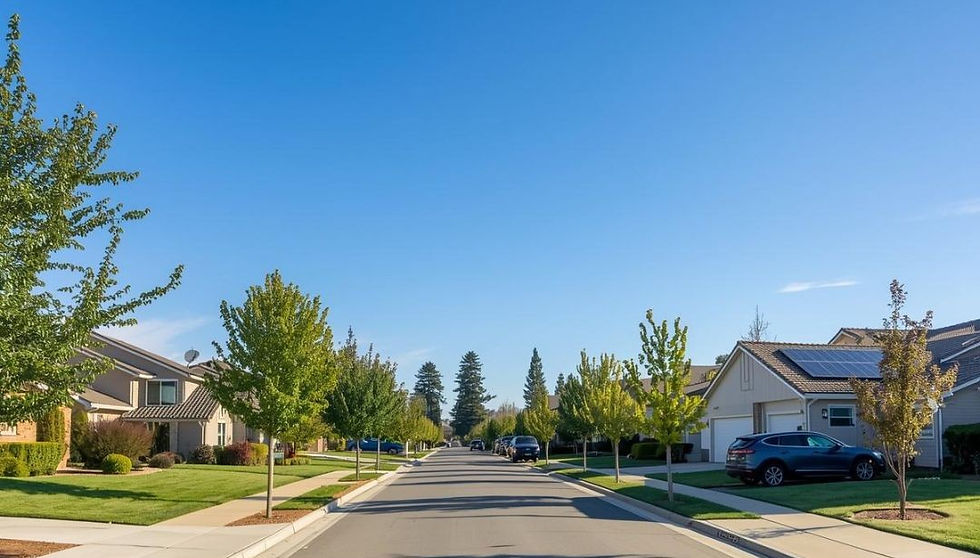
🎬 Thinking about relocating to the Bay Area? Start with a place that feels like home from day one. Benicia is my hometown — and in this video, I'm giving you an honest, up-close look at what everyday life here actually looks like.
❓ FAQ Section
Q1: What is the most common reason seniors decide to relocate? Declining health — their own or a spouse's — is the most frequently cited reason, followed closely by the desire to reduce home maintenance responsibilities and feelings of loneliness.
Q2: Is it better to move to a retirement community voluntarily or wait until it's necessary? Research strongly supports moving while you still have choice and control. Voluntary moves are consistently linked to better mental health, faster adjustment, and higher life satisfaction.
Q3: How do I know which retirement community is the right fit? Look for proximity to family, a strong reputation, security features, existing social connections, and long-term care options. A site visit before committing makes a significant difference in adjustment.
Q4: What is a Seniors Real Estate Specialist (SRES) and why does it matter? An SRES is a real estate professional with specialized training in the unique needs of seniors — including downsizing, retirement community selection, and navigating family dynamics during a move. It's a different skill set than standard residential real estate.
Q5: How do I start the relocation conversation with an aging parent who is resistant? Lead with empathy, not urgency. Focus on pulling factors — what excites or reassures them about a potential move — rather than pushing factors, which can feel threatening to their independence.
About the Author:
Allison Costelow is a Seniors Real Estate Specialist® (SRES®), Certified Probate Expert, and Certified Senior Housing Professional serving Benicia and the greater San Francisco Bay Area. With $15M+ in local sales and a background in healthcare, Allison helps seniors and families navigate downsizing, estate transitions, and new beginnings with clarity and care. Learn more about Allison
Have questions or just starting to explore?
Let’s talk—no pressure, just practical guidance for whatever comes next.
📞 Call or text me anytime: (707) 813-1643
📧 Or send a message here: allison@legacyandlifestylehomes.com


Comments